

GFCI: A Simple Device That Can Save a Life
Font Size:
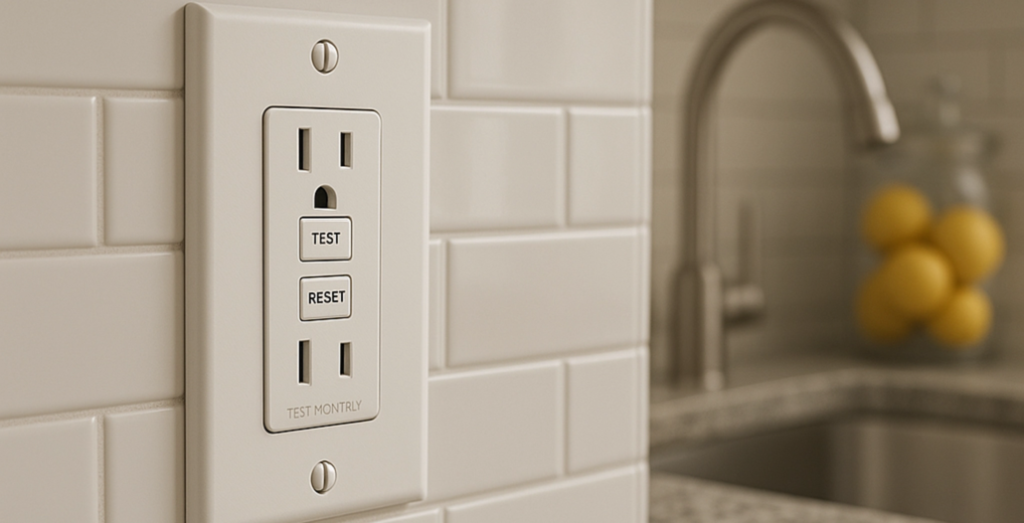
Electricity makes our homes more comfortable and convenient. But it also deserves our respect; especially anywhere water is present. Whether you’re using a hair dryer in the bathroom, plugging in holiday lights outdoors, or operating power tools in the garage, water and electricity can be a dangerous combination. Fortunately, one small safety device helps protect your family from electrical shock: the Ground Fault Circuit Interrupter, or GFCI.
A GFCI is designed to protect people—not just electrical equipment. It constantly monitors the flow of electricity through a circuit, comparing the amount of current leaving the outlet with the amount returning. Under normal conditions, those amounts are equal. But if electricity begins flowing somewhere it shouldn’t—such as through a person who accidentally contacts a live electrical source—the GFCI detects the difference and shuts off power almost instantly. In many cases, this quick response can prevent a serious injury or even save a life.
Because they provide this important protection, GFCIs are often required by electrical codes to be installed in areas where the risk of electrical shock is greater. You’ll commonly find GFCI protection in bathrooms, kitchens, garages, laundry rooms, unfinished basements, crawl spaces, outdoor receptacles, and around swimming pools, spas, and hot tubs.
Most GFCI outlets are easy to recognize because they usually have two buttons labeled TEST and RESET on the front. Testing these outlets is simple and should be done regularly. Press the TEST button to verify that power shuts off. Then press the RESET button to restore power. If the outlet doesn’t trip when tested or won’t reset afterward, it should be inspected and replaced by a qualified electrician.
It’s important to remember that a GFCI is different from your home’s circuit breaker. A circuit breaker primarily protects your home’s wiring from overloads and short circuits. A GFCI is specifically designed to protect people from dangerous electrical shock caused by ground faults. Together, these devices provide layers of protection that help make your home’s electrical system much safer.
Even with GFCIs installed, safe electrical habits remain essential. Never use electrical appliances near standing water, replace damaged cords promptly, avoid overloading outlets, and always follow the manufacturer’s instructions when using electrical equipment outdoors.
At OPD5, your safety is one of our highest priorities. Taking just a few minutes to regularly locate and test the GFCIs in your home is one of the easiest and most effective ways to protect yourself and your loved ones. These small devices may go unnoticed most of the time—but when they’re needed, they can make all the difference.