

FEMA Act of 2025 would bring disaster aid to rural utilities much faster
Font Size:
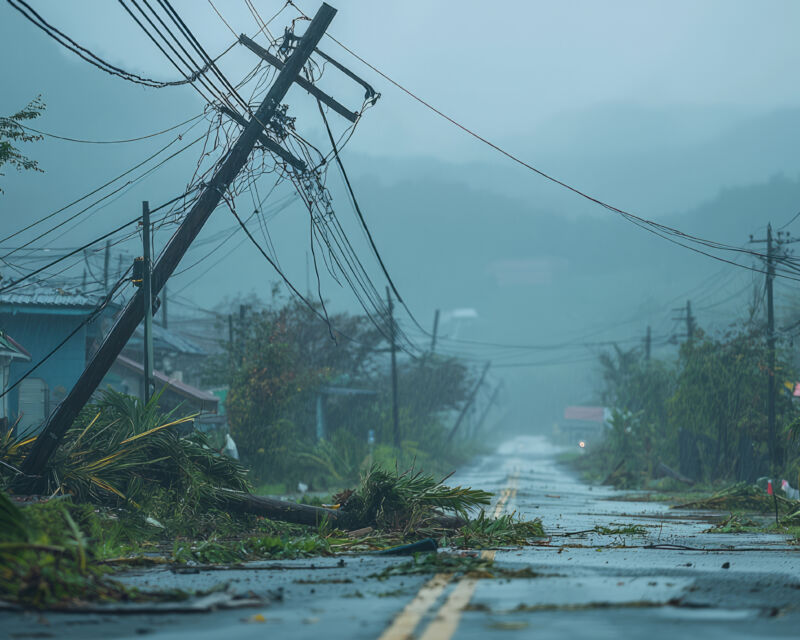
A key House panel passed a bipartisan bill this week that would streamline the Federal Emergency Management Agency and dramatically speed up delivery of crucial disaster relief funds to rural electric districts and cooperatives devastated by wildfires, hurricanes, ice storms and other natural disasters.
The House Transportation and Infrastructure Committee voted to advance the Fixing Emergency Management for Americans (FEMA) Act, which would also keep in place FEMA’s essential Public Assistance program that provides funding to small utilities to restore power and rebuild their systems after major weather events. Without those funds, rebuilding would take much longer and raise costs sharply for rural communities.
The bill is expected to go before the full House for a vote in the coming weeks.
The National Rural Electric Cooperative Association (NRECA), a national trade association representing more than 900 rural electric utilities, along with its member entities including OPD5, have been strong advocates for improving FEMA while keeping the agency intact. The FEMA Act would greatly reduce the amount of time it takes for rural utilities to receive reimbursements from the agency.
Specifically, it would direct the FEMA administrator to reimburse rural utilities for emergency work no later than 120 days after it submits a request. The president would first need to determine that at least 90% of estimated costs are eligible for reimbursement, said Will Mitchell, a NRECA legislative affairs director who lobbies Congress on FEMA issues.
For longer-term projects to rebuild or replace infrastructure, the bill would require FEMA to review within 90 days a rural utility’s cost estimate of the work that needs to be done, Mitchell said. After that, the agency would have 30 days to disburse the funds for the project.
“That would be a huge change in the timeline,” Mitchell said. “Right now, most (NRECA member entities) are waiting years for reimbursement.”
Another major improvement is that rural entities would be allowed to build stronger, more resilient systems in the aftermath of disasters rather than being forced by the agency to build everything back exactly as it was before.
FEMA is a crucial partner for rural electric utilities in efforts to restore power after disaster strikes. The legislation would remove FEMA from the Department of Homeland Security and return it to its former status as an independent agency that reports directly to the president.
The bill would make FEMA a stronger, more responsive agency and help strengthen rural resilience, protect taxpayer dollars and ensure essential services are restored as quickly as possible after a natural disaster.
Transportation and Infrastructure Committee Chairman Sam Graves, R-Mo., one of the lead sponsors of the bill, said “the American people need an emergency management system that works quickly and effectively, not one that makes disaster recovery more difficult.”
“This bill does more than any recent reforms to cut through the bureaucracy, streamline programs, provide flexibility, and return FEMA to its core purpose of empowering the states to lead and coordinating the federal response when it’s needed,” Graves said.
Rep. Greg Stanton of Arizona, the senior Democrat on the panel’s Economic Development, Public Buildings and Emergency Management Subcommittee, said the bill would strengthen FEMA’s mission “to help Americans in their darkest hour.”
“The agency isn’t perfect, and its job is getting harder as disasters grow more frequent and more severe,” said Stanton, who is co-sponsoring the bill. “But the solution is not to tear FEMA down—it’s to work across the aisle to build FEMA up. This bipartisan bill takes commonsense steps to streamline the agency and make sure communities get disaster assistance quickly, efficiently and fairly.”
As the FEMA Act of 2025 moves through the legislative process, NRECA, and its member entities across the country, will continue to work to make it even better for rural electric utilities and the local communities they serve.