

from WATTS UP: July 2026
Font Size:

This article was originally published in our July 2026 Watts Up E-newsletter. To read the full newsletter click here.
Customer question: At our house, we conserve power by buying Energy Star appliances, maintaining our HVAC system, and using LED lighting. I also know that solar power generation has been growing throughout the Southwest. So why does my power bill keep trending higher?
OPD5: This is an excellent question, and one many customers have asked.
First, it is important to recognize that conservation efforts do work. Many OPD5 customers are using electricity more efficiently today than they did just a few years ago. Those efforts help reduce energy consumption and keep bills lower than they otherwise would be.
We share your frustration, though, when savings from energy efficiency are offset by rising costs throughout the electric industry. The challenge is that the cost of producing and delivering electricity continues to rise. And nearly 60 percent of the OPD5 annual budget goes to pay the cost of power.
Like utilities across the West, we face increasing wholesale power costs driven by population growth, rising regional electricity demand, inflation in infrastructure and equipment costs, drought impacts on hydropower resources, and changing operational requirements on the electric grid. These factors are largely outside of our control.
One recent example illustrates how decisions made hundreds of miles away can affect electric costs right here in OPD5 territory.
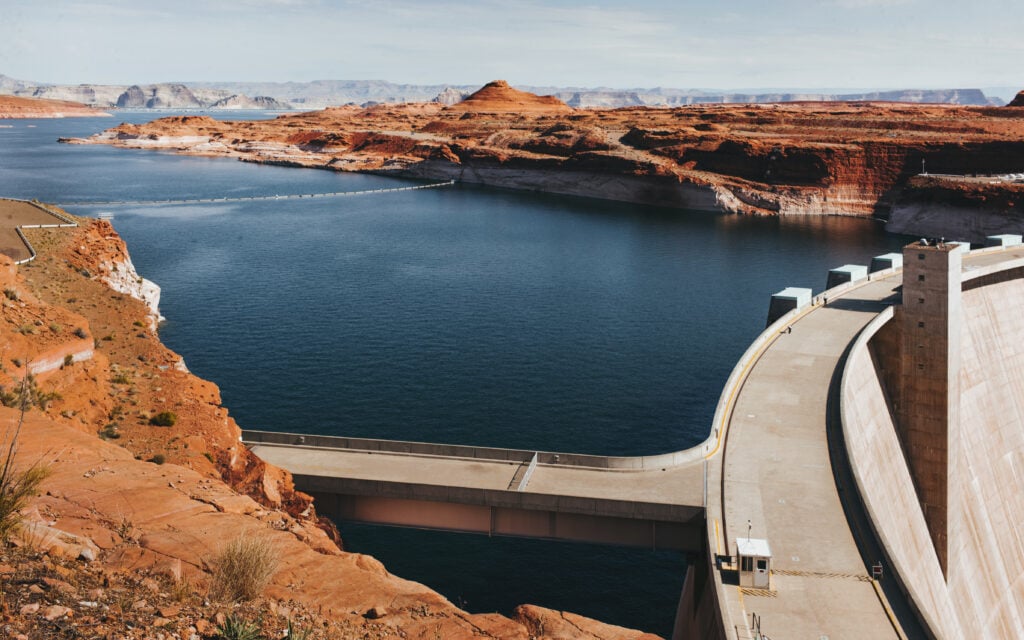
Over the past two years, federal agencies have implemented special cool-water release operations at Glen Canyon Dam below Lake Powell. The releases are intended to help protect native fish species, including the Humpback Chub, by reducing river temperatures that favor invasive smallmouth bass.
The challenge is that the colder water is released through outlets that bypass the hydroelectric turbines. As a result, water that could have generated electricity instead passes through the dam without producing power.
For utilities like OPD5, that receive an allocation of low-cost hydropower from Glen Canyon Dam, reduced generation means more electricity must be purchased on the open market. Those market purchases are often significantly more expensive, particularly during the summer when demand is highest.
In 2025, OPD5’s average hydropower cost was approximately $34 per megawatt-hour. In comparison, the cost of our current market rate power contract is about $88 per megawatt-hour. Thus, every megawatt-hour we lose to a “cool-water release” at Glen Canyon must be replaced at more than double the cost.
The financial impact can be substantial. During the summer of 2024, nearly 900,000 acre-feet of water bypassed the generators at Glen Canyon Dam, resulting in approximately $19 million in replacement power costs across all participating utilities. Similar operations this year could increase those costs even further.
To be clear, the Glen Canyon cool-water release is only one factor affecting electric costs. Rising demand, fuel prices, inflation, and other regional market conditions also play important roles. However, it is a good illustration of how decisions made elsewhere can directly influence the cost of electricity delivered to our community.
While OPD5 cannot control every factor affecting wholesale power markets, there is still much we can do. We remain committed to advocating for our customers through formal appeals to the Secretary of the Interior and continued engagement with our Congressional delegation on these issues. We are devoted to managing expenses responsibly. And we remain laser-focused on securing the most reliable and affordable power possible.
Finally, lest you feel discouraged, please know that your conservation efforts still matter. Energy efficiency remains one of the best tools available for managing your monthly electric bill. While conservation cannot eliminate every cost increase, it helps reduce the impact and keeps more money in your pocket over the long run.