

Keep your cool and lower your bill
Font Size:
As summer temperatures rise across southern Nevada, so can household energy bills. Air conditioners work harder during extreme heat, especially when cool air escapes from the home or outdoor heat sneaks in where you don’t expect it.
Fortunately, there are several simple and cost-effective steps you can take to weatherize your home that can improve comfort and reduce energy use during the hottest months of the year. These tips can help to reduce strain on home air conditioning systems and improve overall energy efficiency this summer. Over time, they can save you a lot of money on your power bill, too.
Seal Air Leaks Around Doors and Windows
One of the most common sources of energy waste is air leakage. Even small gaps around doors and windows allow hot outdoor air to enter while letting cooled indoor air escape.
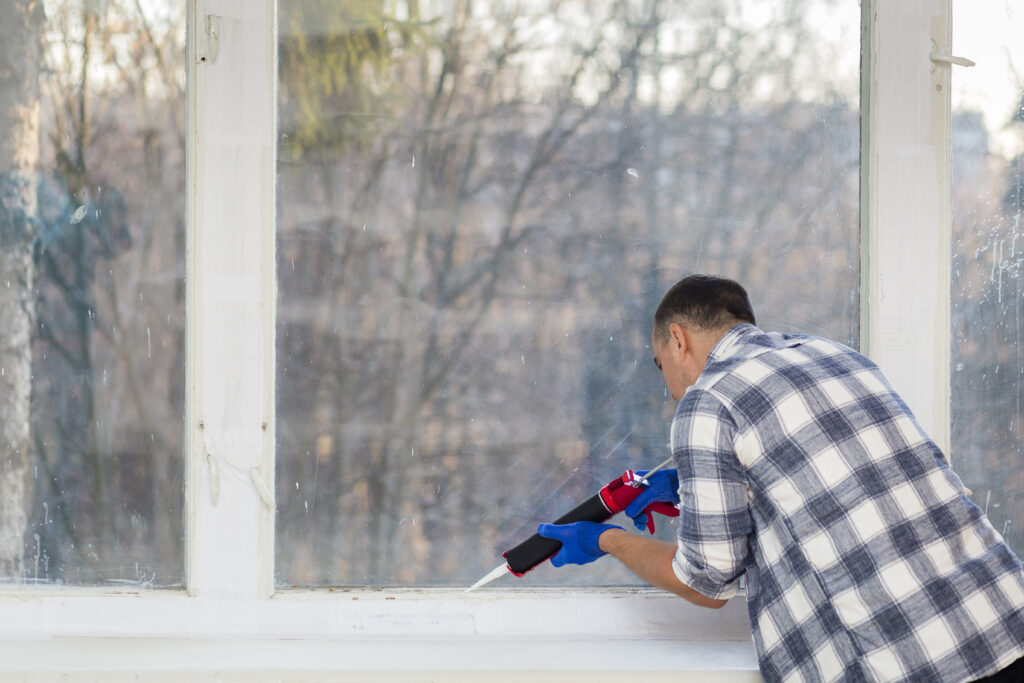
Inspect exterior doors and windows for drafts, worn weatherstripping, or visible gaps. Replace damaged weatherstripping and apply caulking around window frames and exterior openings where needed. Door sweeps installed at the bottom of exterior doors can also help block hot air, dust, and insects from entering the home.
These inexpensive improvements can make a noticeable difference in indoor comfort and air conditioning efficiency.
Improve Attic Insulation
During summer, attic temperatures can exceed 140 degrees. Without adequate insulation, that heat transfers into the living spaces below, forcing cooling systems to work longer and harder.
Check attic insulation levels to ensure they meet recommended standards for southern Nevada’s desert climate. If insulation appears thin, uneven, or compressed, additional insulation may help reduce heat transfer and cooling costs.
Proper attic insulation works together with ventilation to keep homes cooler and improve year-round energy performance.
Install and Use Window Coverings Effectively
Windows are a major source of heat gain during summer months. Direct sunlight entering through uncovered windows can significantly raise indoor temperatures.
Install blinds, curtains, or shades and keep them closed during the hottest parts of the day, especially on south- and west-facing windows. Blackout curtains, solar screens, and reflective window films can further reduce heat gain while still allowing natural light inside.
Exterior shade structures, awnings, or strategically planted trees can also help block sunlight before it reaches the home.
Service Your Air Conditioning System
Air conditioning systems operate most efficiently when properly maintained. Dirty filters, clogged coils, or low refrigerant levels can reduce performance and increase energy consumption.
Customers should replace or clean HVAC air filters regularly during summer months. A dirty filter restricts airflow and forces the system to work harder. In many homes, filters should be checked monthly during peak cooling season.
Scheduling a professional HVAC inspection before or during summer can also help identify maintenance issues early and improve system reliability during extreme heat.
Use Ceiling Fans Correctly
Ceiling fans help circulate air and create a wind-chill effect that makes rooms feel cooler. While fans do not actually lower room temperature, they can improve comfort enough to allow thermostat settings to be raised by several degrees without sacrificing comfort.
During summer, ceiling fans should rotate counterclockwise to push cool air downward. Remember to turn fans off when leaving a room, since fans cool people—not the room itself.
Adjust Thermostat Settings Wisely
Small thermostat adjustments can lead to meaningful energy savings over time. Setting the thermostat slightly higher when away from home or overnight can reduce cooling costs without greatly affecting comfort.
The U.S. Department of Energy recommends keeping the thermostat as high as comfortably possible during summer. Programmable or smart thermostats can automatically adjust temperatures based on occupancy schedules and help reduce unnecessary cooling.
Avoid drastic temperature changes that cause the air conditioner to run continuously for long periods.
Seal and Insulate HVAC Ductwork
In many homes, cooled air travels through duct systems located in hot attics or crawl spaces. Leaky ducts can waste significant amounts of conditioned air before it ever reaches living spaces.
Inspect visible ductwork for disconnected sections, gaps, or damaged insulation. Sealing leaks with approved duct sealant and insulating exposed ducts can improve airflow efficiency and reduce energy waste.
Proper duct sealing may also improve indoor comfort by delivering more consistent cooling throughout the home.
Reduce Indoor Heat Sources
Many everyday activities generate heat inside the home. Ovens, stovetops, clothes dryers, and incandescent light bulbs all contribute additional warmth that increases cooling demand.
During summer, consider grilling outdoors or using smaller countertop appliances such as microwaves or air fryers instead of ovens. Run dishwashers and laundry machines during cooler morning or evening hours when possible.
Switching to LED lighting can also help reduce heat output while lowering electricity use.
Check Exterior Openings and Vents
Inspect exterior vent openings, utility penetrations, and areas around pipes or cables entering the home. Small openings can allow hot air infiltration and reduce energy efficiency.
Sealing these gaps with foam sealant or caulking can help keep conditioned air inside where it belongs.
Homeowners should also ensure dryer vents and attic vents remain clean and unobstructed for proper airflow and ventilation.
Consider Long-Term Energy Improvements
For homeowners planning future upgrades, additional energy-saving investments may provide long-term benefits. High-efficiency windows, upgraded HVAC systems, radiant barriers, and improved roofing materials can significantly improve summer performance and reduce monthly utility costs.
Customers considering major home improvements should research available rebates, tax incentives, or energy efficiency programs that may help offset costs.
Stay Comfortable and Save Energy This Summer
Weatherizing a home does not always require expensive renovations. Many of the most effective improvements are affordable, simple, and easy to complete over a weekend. By sealing leaks, improving insulation, maintaining cooling systems, and reducing heat gain, homeowners can improve comfort while lowering energy use during the hottest months of the year.